
AI agents in your industry
Automotive & Manufacturing
Keep production moving. Give your teams time to act.
A missing part or a supplier problem can become a production problem. See how agents can move the routine work forward, prepare a response to an exception and help you improve the agents already in use.

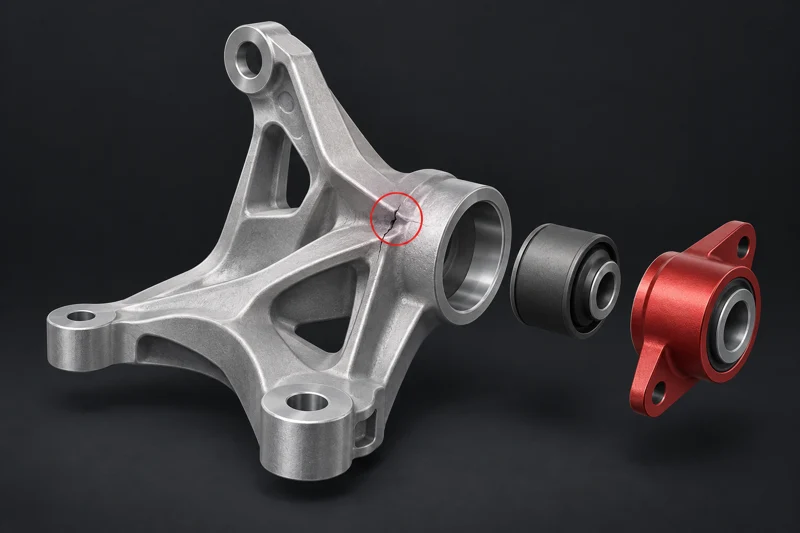
Customer story · Automotive
From a quality issue to a clear decision.
How an automotive customer is bringing quality evidence, cost analysis and corrective-action decisions into one review.
- Quality & cost
- Named approvals
- Decision evidence
Novagentica in action
Work your team will recognise.
Explore what could change in the work, and which decisions your people keep.
Example · Purchasing
The parts are running low. The next order is already moving.
Routine replenishment should not wait in a buyer’s inbox.
The situation
A stock requirement arrives. Before an order can move, someone needs to check the supplier, quantity and spending limit. Doing that one order at a time leaves buyers handling routine work alongside the exceptions that need their judgement.
With Novagentica
An agent prepares and submits the order using approved suppliers and stock requirements. Its contract sets the limits. An order inside those limits can proceed on its own; an exception reaches the responsible buyer.
From the signal to the result
The starting point
Parts requirement received
Within agreed rules
Approved supplier & limits checked
Business Authority
Order submitted or exception reviewed
The result checked
Recorded ERP order checked
The result is checked
The ERP order is read back and compared with the authorised supplier, quantity and amount.
Buyers can give their attention to supply problems while routine orders keep moving.
Example · Supplier risk
A supplier is at risk. Act before the line runs short.
Connect the risk signal to the production it could affect.
The situation
A supplier warning matters because of the parts and production behind it. A buyer needs to establish what is exposed, find an alternative and understand the cost before deciding how to respond.
With Novagentica
In this example, agents monitor supplier risk, connect a warning to affected production and search the approved supplier base for a replacement. They prepare the supplier, delivery and cost comparison. If the proposed order exceeds the agreed amount, the buyer receives a decision-ready request for approval.
From the signal to the result
The starting point
Supplier risk detected
Within agreed rules
Affected production identified
Within agreed rules
Approved replacement & cost prepared
Business Authority
Amount exception approved by buyer
The result checked
Replacement order recorded & checked
The result is checked
After the approved order is placed, the supplier, quantity, delivery terms and amount are checked against the purchasing record.
The team gets a chance to protect production before a supplier problem becomes a missing part.
Example · Quality
Before a quality agent takes on more, know where it falls short.
An agent’s recommendation needs to stand up to the work it supports.
The situation
A quality team is already using an agent to support reviews. They want to give it more responsibility, but first need to know where its recommendations, controls or evidence are incomplete.
With Novagentica
The Governance and Value Benchmarks review the agent against agreed quality cases and expected outputs. Findings become specific improvements with an owner. The revised version is retested before the team decides whether to release it.
From the signal to the result
The starting point
Existing quality agent reviewed
Within agreed rules
Business & control gaps prioritised
Within agreed rules
Changes applied & retested
Business Authority
Release decision supported by evidence
The result is checked
The baseline, revised version, retest results and open findings stay together for review.
The next release has a clear reason behind it and evidence of what improved.
Already using agents?
Find out where they need work.
Start with an assessment of their controls or what they need to be more useful.

START WITH YOUR BUSINESS
Let’s look at a task in your business.
Bring an agent you already use or a task you want to improve. We’ll work through the rules, systems and result checks it would need.